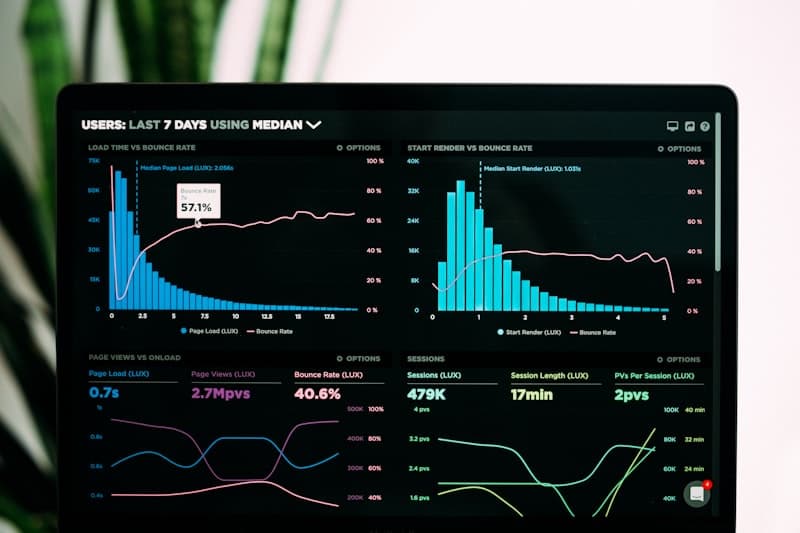
Microsoft Fabric is the most significant change to the Microsoft data platform since the launch of Azure in 2010. Announced at Build 2023 and generally available since November 2023, Fabric is a unified SaaS analytics platform that combines data engineering, data integration, data warehousing, real-time analytics, data science, and Power BI into a single, governed environment on a shared compute and storage layer.
For Indian CTOs and data leaders, the key question is not what Fabric is — but when to migrate, what it costs in India, and how it changes the way your organisation manages data. This guide provides direct answers to all three questions.
What Is Microsoft Fabric?
Microsoft Fabric is a unified analytics platform built on top of OneLake — Microsoft's single, multi-cloud data lake that stores all your organisation's data in Delta Parquet format (the Apache open standard). Every workload in Fabric — data pipelines, notebooks, warehouses, real-time streams, and Power BI reports — reads from and writes to the same OneLake storage.
Fabric replaces the need to separately manage Azure Data Factory, Azure Synapse Analytics, Azure Data Lake Storage, Azure Databricks (for most use cases), and Power BI Premium — unifying them into a single licensed platform with a single administrative control plane.
The Six Fabric Workloads
- Data Factory: 150+ connectors for data ingestion and orchestration (replaces Azure Data Factory)
- Synapse Data Engineering: Apache Spark-based notebooks and lakehouses for large-scale data transformation
- Synapse Data Warehouse: Serverless SQL warehouse for structured data (replaces Synapse Analytics)
- Synapse Real-Time Analytics: KQL-based engine for streaming and time-series data (replaces Azure Data Explorer)
- Data Science: MLflow-integrated notebooks for ML model training and experiment tracking
- Power BI: Business intelligence and reporting layer, now with Copilot AI integration
All six workloads share the same OneLake storage, eliminating data movement between services — the single biggest source of cost, complexity, and latency in traditional Azure data architectures.
Microsoft Fabric vs Traditional Azure Data Stack
| Capability | Traditional Azure Stack | Microsoft Fabric |
|---|---|---|
| Data ingestion | Azure Data Factory | Fabric Data Factory (included) |
| Data lake storage | Azure Data Lake Storage Gen2 | OneLake (included, shared) |
| Data transformation | Azure Databricks / Synapse Spark | Fabric Notebooks / Lakehouse |
| SQL warehouse | Azure Synapse Analytics | Fabric Data Warehouse (included) |
| BI and reporting | Power BI Premium | Power BI (included in Fabric) |
| Real-time analytics | Azure Data Explorer | Fabric Real-Time Analytics (included) |
| Administration | Separate portals per service | Single Fabric Admin Portal |
Microsoft Fabric Pricing in India (2025)
Fabric is priced on a capacity-based model using Fabric Capacity Units (CUs). Capacities are purchased via Azure and billed per second — you can pause capacity when not in use.
| Capacity SKU | CUs | Approx. Monthly Cost (India) | Best For |
|---|---|---|---|
| F2 | 2 | ~₹8,500/month | Development / testing |
| F4 | 4 | ~₹17,000/month | Small teams, proof of concept |
| F8 | 8 | ~₹34,000/month | SME production workloads |
| F16 | 16 | ~₹68,000/month | Mid-market production |
| F32 | 32 | ~₹1.35 lakhs/month | Enterprise BI + data engineering |
| F64 | 64 | ~₹2.7 lakhs/month | Large enterprise analytics platform |
Pricing is approximate based on Azure India West region pay-as-you-go rates. Committed-use reservations offer 40–50% discount. Verify current pricing at azure.microsoft.com/pricing.
Fabric capacity pricing includes all six workloads — there is no separate charge for using Fabric Data Factory, Notebooks, or Real-Time Analytics. OneLake storage is charged separately at approximately ₹1.7 per GB per month for hot storage.
Is Fabric Available in India?
Yes. Microsoft Fabric is available in both India West (Mumbai) and India South (Chennai) Azure regions. OneLake data can be configured to remain within India for data residency compliance. The India Central (Pune) region is expected to add Fabric support in 2025.
For enterprises with data residency requirements under India's Digital Personal Data Protection Act (DPDPA 2023), Fabric's India-region availability with in-region OneLake storage satisfies the localisation requirement for most enterprise data categories.
Should You Migrate to Fabric Now?
The answer depends on your current data architecture:
Migrate Now If:
- You are currently paying separately for Azure Data Factory + Synapse Analytics + Power BI Premium — Fabric consolidation will reduce your total spend
- You are starting a new data platform build from scratch
- Your Power BI Premium P1 contract is up for renewal (Fabric F64 is equivalent to P1 and typically cheaper)
- You want Power BI Copilot AI capabilities (only available in Fabric)
Plan Migration for 2025–2026 If:
- You have a heavily customised Azure Databricks implementation — full parity with Databricks-specific features is still maturing in Fabric Notebooks
- Your SAP integration relies on specific Synapse connectors — test compatibility before migrating
- Your team needs upskilling on Fabric's new administrative model before a production migration
Migration Path from Power BI Premium to Fabric
- Assessment: Inventory all Power BI workspaces, datasets, and premium capacity usage
- Pilot workspace: Assign one department's workspace to a Fabric F16 or F32 capacity trial
- OneLake migration: Move existing Azure Data Lake Storage content to OneLake using the Lakehouse shortcut feature (no data movement required for ADLS Gen2)
- Pipeline migration: Migrate Azure Data Factory pipelines to Fabric Data Factory (most pipelines migrate with minimal changes)
- Training: Train data engineers on Fabric Notebooks and Lakehouse concepts (6–8 hours for engineers with Spark experience)
- Cutover: Migrate production workspaces to Fabric capacity and decommission separate Azure services
Power BI Copilot in Fabric
Power BI Copilot — Microsoft's generative AI feature for BI — is only available in Fabric capacities (F64 and above, or with Copilot add-on). Copilot enables business users to ask questions in plain English and get auto-generated report pages, DAX measures, and narrative summaries. For Indian enterprises with business users who are not Power BI-trained, Copilot dramatically lowers the barrier to self-service analytics.